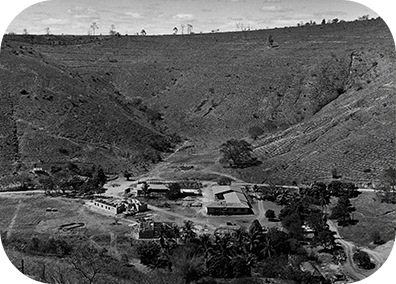
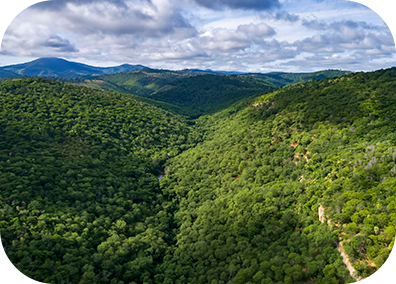
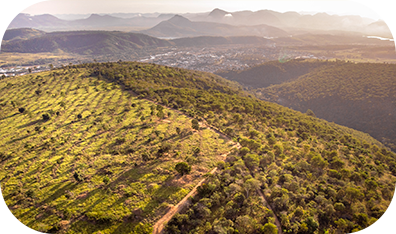
We are the fruit of the dream of Lélia Deluiz Wanick Salgado and Sebastião Salgado, who, faced with the environmental degradation of their family’s former cattle ranch, decided to restore the forest that existed here and, in 1998, founded Instituto Terra in Aimorés-MG. We received the title of RPPN (Private Natural Heritage Reserve), granted in an unprecedented way to a degraded area, subject to a commitment to restore it. This is how the Fazenda Bulcão RPPN came about.
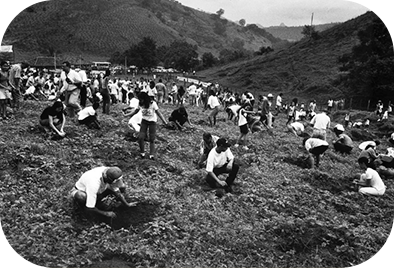
The time to get down to work came during the next rainy season, in the summer of 1999/2000. We relied on the community mobilization of hundreds of students from the region, friends, partners and, of course, our first collaborators. We still didn’t have much technical knowledge, but with everyone pulling together and a lot of willpower we managed to plant the first 10,000 trees that would be the vanguard of this new forest.
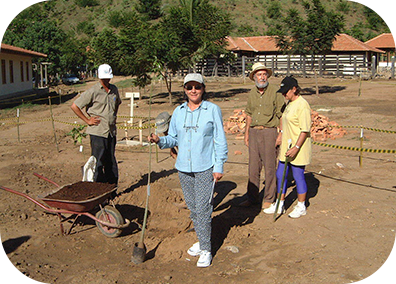
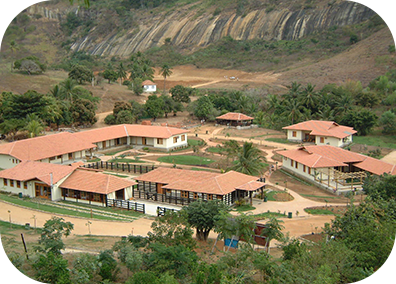
At the same time as the pasture turned into forest, the farm turned into an NGO, and so more and more people came to work here. To house all these collaborators, we needed to create an administrative headquarters and the ideal moment to lay the foundation stone for Instituto Terra was during a lively party we held in November.
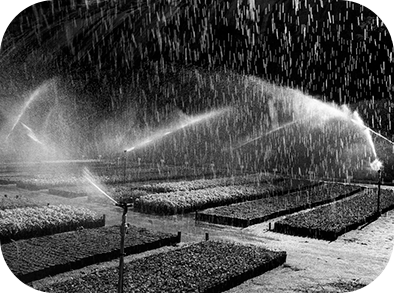
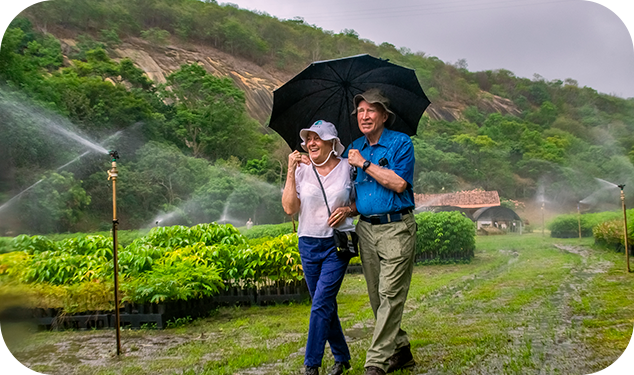
A native Atlantic Forest is full of biodiversity! To keep planting more and more, we opened our native seedling nursery. With many improvements since then, the heart of Instituto Terra has become an efficient nursery, capable of growing up to 500,000 seedlings of dozens of different species a year, using semi-mechanized techniques and manual processes tailored to ensure the proper development of the small trees.
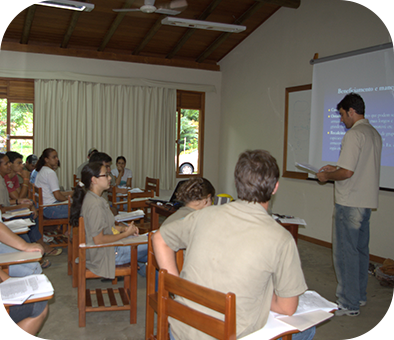
Replanting a native forest in such a degraded area and under such adverse climatic conditions was not an easy job, but little by little we learned by trial and error and with each planting more seedlings came up. So that this knowledge could be multiplied, we founded the Environmental Restoration Education Center, a training school in ecological techniques for rural producers, school communities and environmental technicians.
Nosso trabalho com educação rapidamente revelou a demanda que existia na região por uma formação aprofundada na área ambiental. Criamos o NERE com a proposta de oferecer um curso de especialização em restauração ecossistêmica para jovens da bacia do Rio Doce, de modo a que pudessem aprender conosco e devolver este conhecimento ao território, seja na roça da família ou no mercado de trabalho. Com bolsa de estudos e moradia estudantil, os jovens do NERE hoje residem no Instituto Terra durante 1 ano e aprendem sobre restauração florestal, recuperação de nascentes e muito mais.
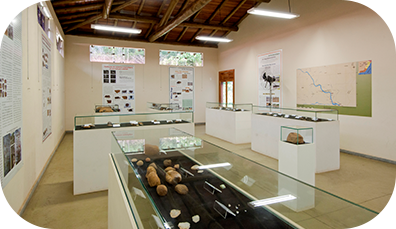
We donated an area to the Terra Institute so that the archaeological museum of Aimorés could be built. In operation since then, the museum exhibits artifacts that retrace the history of the indigenous peoples who originally inhabited the region and who are still resisting and fighting for the right to their territory.
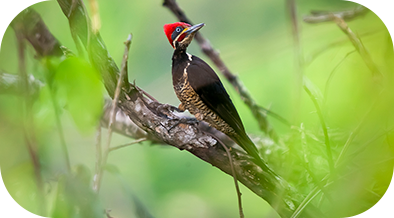
The first fauna monitoring conducted at our RPPN showed that 172 species of birds had already returned to the forest by that year. Along with them, a whole food chain with another 15 species of reptiles, another 15 of amphibians and another 33 species of mammals of various sizes, proving that the restoration of the ecosystem was already bringing positive results.
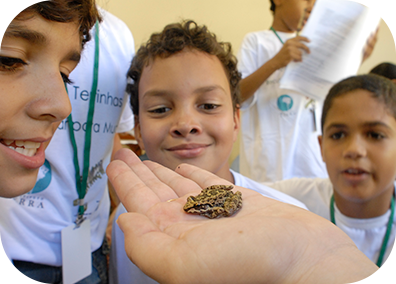
We expanded our environmental education activities to include children from public schools in the region. The impact generated in each little village was also multiplied in their families, neighborhoods and school community. The project was so positive that it was selected twice by Unesco as a model environmental education project and is still active today.
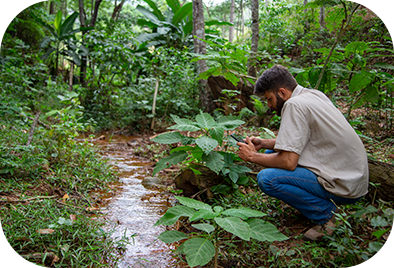
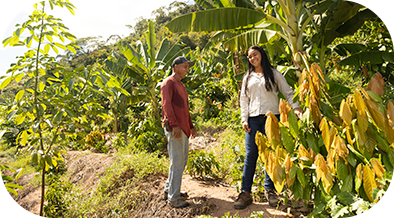
Our pioneering initiative to promote sustainable rural development in the Rio Doce basin began with a focus on restoring springs on small and medium-sized rural properties. We opened a project office to manage these actions which, over time, also included the installation of biodigesters and dams on the properties. Awarded by the UN and the ANA, Olhos D’Água has become a benchmark for water security in the region.
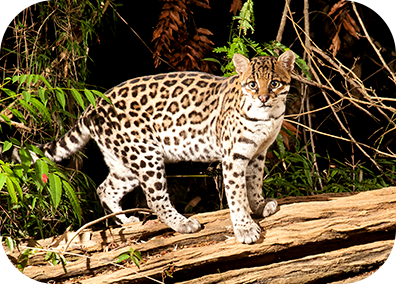
Rumors began to spread that an ocelot had returned to our forest and Sebastião Salgado wanted to make sure that this animal, at the top of the food chain, was back in its habitat. Our partner Leonardo Merçon was entrusted with the mission and after days in the forest, he managed to make this historic photograph, which proved that an entire food chain was being rebuilt here.
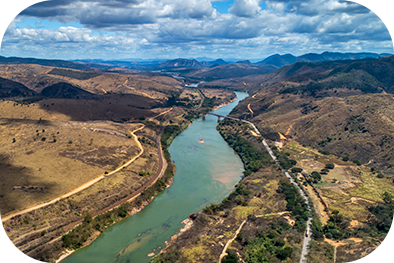
The collapse of the Mariana dam in 2015 was the most challenging moment for the Doce River basin. Right from the start, we tried to put our influence behind a positive solution with the creation of a fund for the recovery of the region rather than simple fines for the companies responsible. In addition, we intensified the Olhos D’Água program in various ways, including supporting the Todos Pelo Rio Doce Movement, which mobilized voluntarily for the recovery of springs in the Doce River.
With 2.3 million trees planted so far, we’ve begun the final planting phase in our original 709-hectare area, the Fazenda Bulcão Private Natural Heritage Reserve (RPPN), which we started restoring in 1998. The enrichment project, to be completed by 2027 in cooperation with Zurich Insurance Group (Zurich), foresees the planting of another 1 million seedlings of at least 80 native species, aiming to accelerate the forest’s natural regeneration and ensure species diversity.
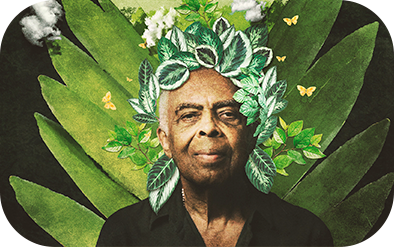
It is an honour for us that our work has inspired a song by the master of Brazilian popular music, the legendary Gilberto Gil. With Refloresta, Gil launched his TikTok account in a campaign that made it possible to plant another 40,000 trees at Instituto Terra. The music video was directed by Ivi Roberg.
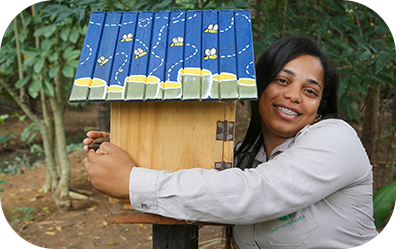
We have taken on the mission of raising awareness among our visitors and our community about the importance of native bees for pollinating forests and foodstuffs, as well as promoting the training of rural producers in meliponiculture techniques, encouraging an increase in the population of pollinating agents and the extraction of valuable melipona honey for income generation.
We launched the Terra Doce program to expand our efforts in spring restoration, incorporating the recovery of water recharge areas, riparian forests, and silvopastoral and agroforestry systems. Terra Doce is our major commitment to driving socio-environmental transformation across the Rio Doce basin and represents the evolution of the former Olhos D’Água program.
With our original area almost fully restored, we have acquired new properties in our surroundings — also with the support of Zurich — expanding Instituto Terra’s total area to 2,346 hectares. In addition to increasing the area to be restored in the coming years, we have begun building a new nursery with the capacity to produce up to 2 million seedlings, which will support the actions of the Terra Doce Program.
In 2025, we said goodbye to Sebastião Salgado, our founder, mentor and inspiration. His legacy lives on in the land he helped restore, in the people he touched with his vision and in the seeds of the future we continue to plant. Amid the pain of loss, we renew our commitment to the values he taught us: caring for nature, believing in people and dreaming of a fairer, more sustainable world. We will move forward, together, with gratitude and purpose.