


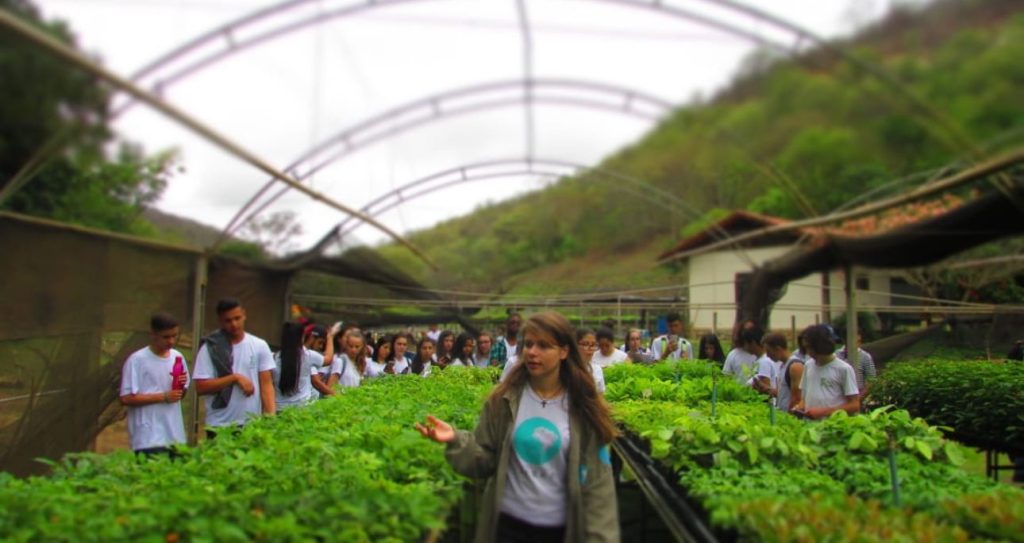
The participation of young people in the concepts of sustainability, preservation and environmental awareness is, more than ever, essential for the future of the planet. With global warming, the climate crisis, rampant pollution and the devastation of natural resources at alarming levels, it is clear that a future is not possible without socio-environmental education.
The situation facing the planet today is the consequence of years of carelessness and irresponsible exploitation. Water resources, forests and entire ecosystems have been put to the test by economic and industrial practices aimed at growth at any cost. And in the process, new generations were left on the sidelines, without access to adequate training that would allow them to understand the impacts of these actions and, more importantly, act to reverse them.
The importance of socio-environmental education for young people
Socio-environmental education is a powerful tool for young people to understand the challenges we face and become protagonists in the search for innovative and sustainable solutions for their communities. By learning about the importance of preserving natural resources and everyone’s role in protecting the planet, they can become multipliers of an environmental culture based on conscious practices and responsibility for the future.
It’s worth saying that socio-environmental education isn’t just about planting trees or recycling waste, it encompasses a critical view of lifestyles, consumption practices and the impact of human activities on ecosystems. Encouraging young people to reflect on these issues is a way of empowering them to make decisions that can help preserve the environment for decades to come.
Terra Youth Program focuses on transformation
One example of a program that seeks just such a transformation is Terra Jovens, an initiative of the Terra Institute. Launched in 2024, the program is aimed at teenagers and young adults from the Aimorés region, aged between 16 and 29. The aim is to encourage citizenship and socio-environmental awareness through workshops and practical activities, as well as training participants in audiovisual production techniques.
The socio-environmental training of young people is essential if environmental conservation is to become a transversal value in all areas of society. Initiatives like this are a decisive step towards ensuring that the next generation is prepared for the challenge of protecting and caring for a planet that is going to need a lot of conscious and respectful actions